
On the Shelf: Mark’s Summer Reads
This summer, Mark has had the privilege of leading 3 seminars at Summer Madness. As he prepared for these seminars, he put together a list of book recommendations, so if you’re heading away this summer, or find yourself in the garden enjoying the sun, why not pick up one of these books and give it a read.
If you've ever wrestled with questions like "Is the Bible historically reliable?", "What about the violence and treatment of women in the Old Testament?", or "How do I even read this book well?", there are three books that, together, form a brilliant starter pack for building real confidence in Scripture.
They are:
Why Trust the Bible? - Amy Orr-Ewing
How (Not) to Read the Bible - Dan Kimball
God’s Book: An Honest Look at the Bible’s 7 Toughest Topics - Andrew Ollerton
Read together, these books offer a clear, honest, and genuinely accessible pathway into biblical confidence, tackling the question, “can we really trust the Bible?”, from three different angles: is it true?, are we reading it right?, and how does it all fit together?
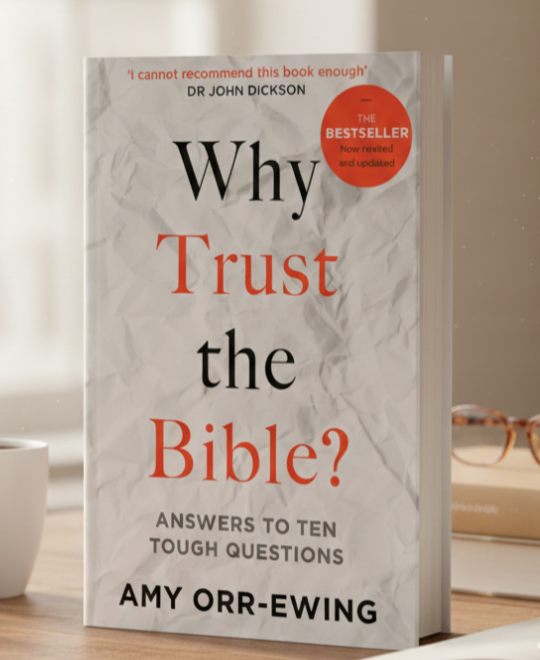
Why Trust the Bible?
Amy Orr-Ewing's book sets out to answer a simple but weighty question: is the Bible historically reliable and morally trustworthy?
It's a short book, and remarkably accessible, but it doesn't shy away from a slightly more academic edge when the questions call for it. Orr-Ewing takes the issue of manuscript accuracy head on, walking through how the Bible was actually transmitted and why we can take it seriously as a historical document. She also engages with the bigger worldview questions sitting underneath all of this: can we know any truth at all, and how do we know anything in history is true in the first place?
Crucially, she doesn't dodge the harder moral objections either. Is the Bible anti-women? Is it sexist? Does it hold a low view of sex? These are the questions people are actually asking, and Orr-Ewing meets them directly.
What comes through is a confident but thoughtful apologetic. Nothing here feels shouty or defensive. It's simply a clear, well-reasoned case for why the Bible is worth trusting, and worth reading, presented by someone who is clearly experienced in leading apologetics in this space. If you want a compact entry point into the subject, this is a strong first stop.
Dr Amy Orr-Ewing is an international author, speaker and theologian who addresses the deep questions of our day. Having previously served as president of the Oxford Centre for Christian Apologetics, she is now Honorary Lecturer at the School of Divinity at the University of Aberdeen, and Theologian in Residence at Saint in Hackney, London.
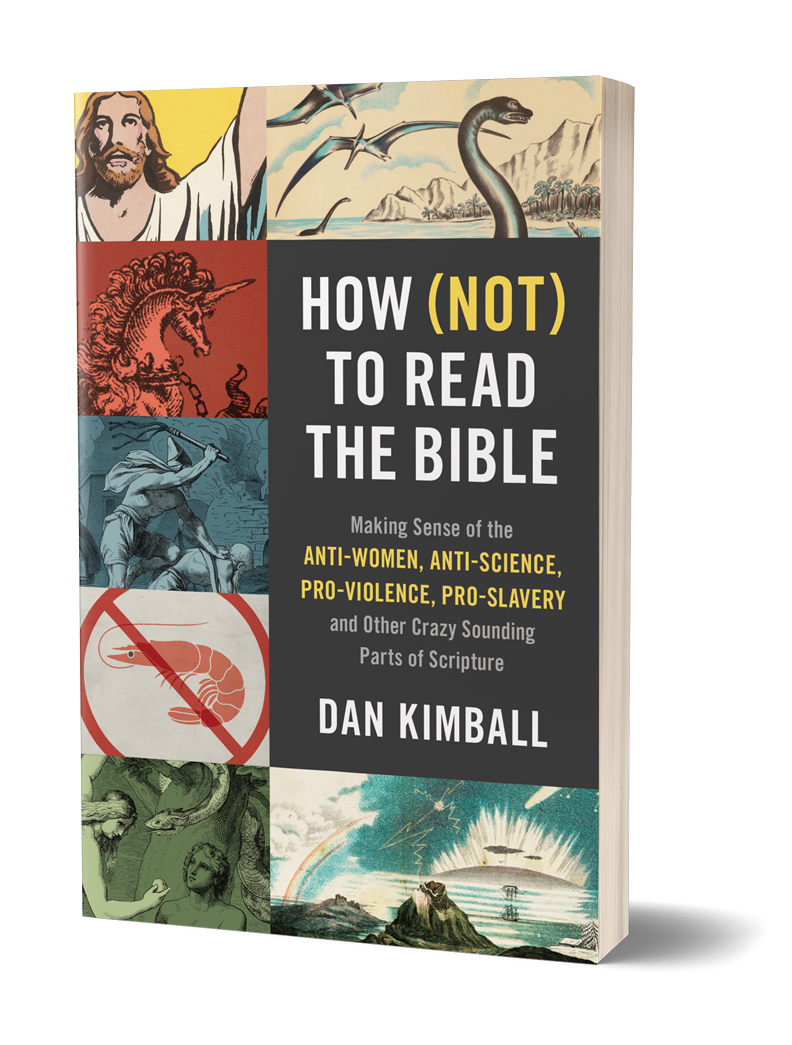
How (Not) to Read the Bible
Where Orr-Ewing focuses on whether the Bible can be trusted, Dan Kimball focuses on something just as important: how we actually read it.
His central argument is that so much confusion, and so many of the "gotcha" objections that circulate, come down to reading style rather than the text itself. He makes the case for reading the Bible in its original context and shows how doing so changes the way we interpret some of the most difficult passages in Scripture, particularly the more unusual laws in the Old Testament, and the passages dealing with violence and the treatment of women.
This is the book for anyone who has scrolled past a Bible verse meme stripped of all context and thought, "surely that's not what it actually means." Kimball gives you the tools to say, with confidence, "hang on, that's not how this text works," and to explain why. It's especially valuable for discipling younger believers, engaging honest skeptics, or simply helping anyone who has been put off by a verse used as a weapon rather than read as it was intended.
Dan Kimball is the author of several books on leadership, church, and culture. He was one of the founders of Vintage Faith Church in California where he still serves, and is also a faculty member at Western Seminary.
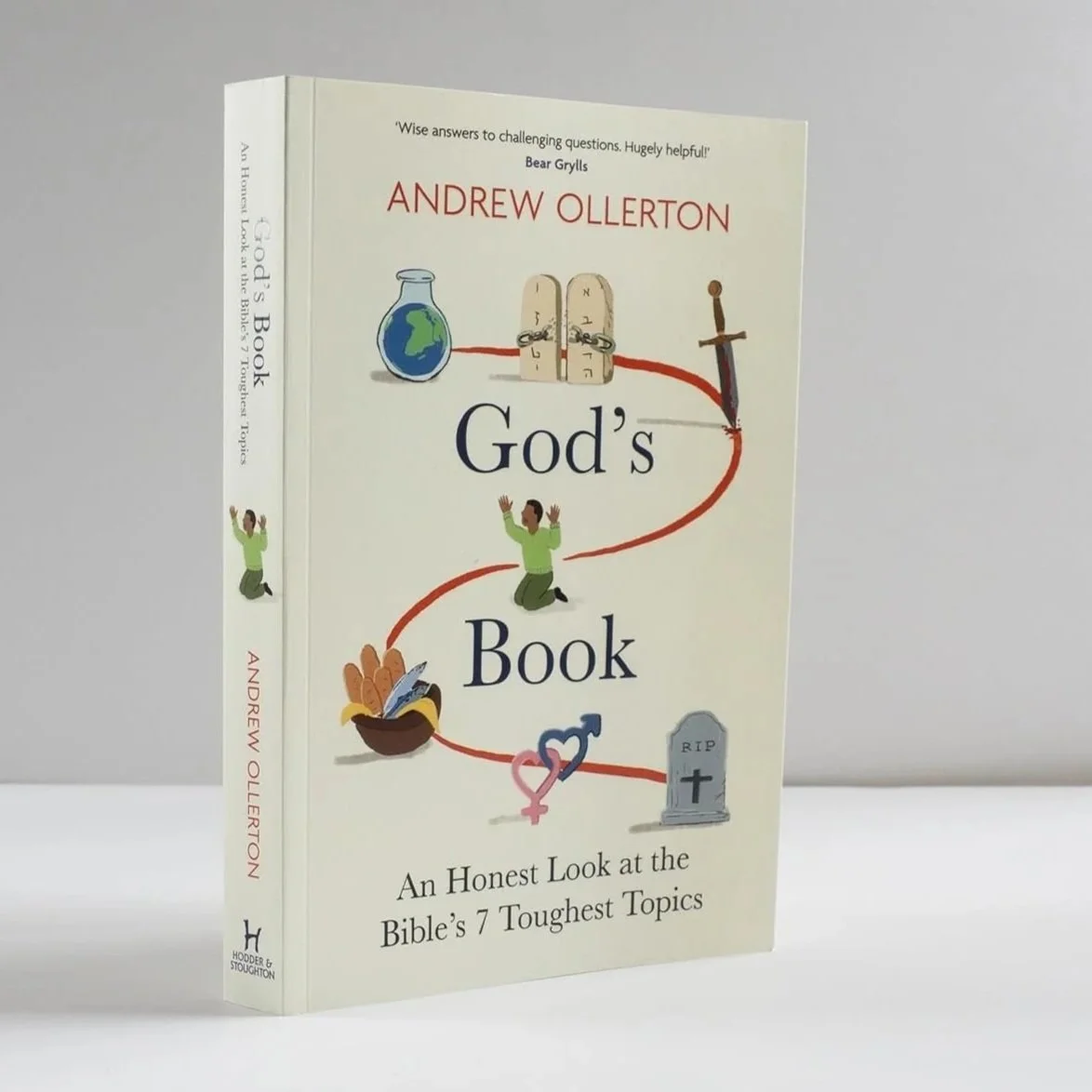
God’s Book
Andrew Ollerton takes a different approach again. Rather than focusing on a single question, The Seven Toughest Questions in the Bible walks through the whole story of Scripture, from Creation to Revelation, and tackles seven major apologetic questions along the way.
It's a slightly bigger book than the other two, but no less accessible, and it's particularly well suited to young adults. At the end of every chapter, Ollerton writes a personal letter addressed to a young adult, speaking pastorally into the question just covered.
What stands out most is his honesty about complexity. Ollerton doesn't pretend every one of these seven questions has one neat, tidy answer. Instead, he lays out the broad spectrum of responsible Christian responses, giving readers what they need to reach their own informed conclusions, while still being willing to share his own considered view without ever being pushy about it.
The result is one of the most approachable books available on these seven tough questions: honest about the difficulties, rich in story and illustration, and pastoral in tone rather than purely intellectual.
Dr Andrew Ollerton is a theologian, pastor and popular communicator. He works with Bible Society and developed The Bible Course, an eight-session guide to the big story of the Bible for small groups.
A Trio of Books Working Together
Put side by side, these three books give a genuinely three-dimensional approach to biblical confidence:
Amy Orr-Ewing asks: is the Bible true and good? (Trustworthiness and history)
Dan Kimball asks: are we reading it the right way? (Method and interpretation)
Andrew Ollerton asks: how does it all fit together? (The big story and the big questions)
For churches, ministries, and small groups, this trio could easily form the backbone of a teaching series on confidence in Scripture, a reading pathway for the unsure and those in the middle of deconstructing their faith, or simply a toolkit for leaders discipling people through difficult questions.